Perfect Veggie Fajitas: Cutting & Sautéing Tips for Best Flavor
Imagine a dinner that’s vibrant, bursting with flavor, incredibly satisfying, and ready in under 30 minutes. That’s the magic of
Minute Veggie Fajitas: A Hit with Vegetarians & Meat Eaters, a dish that consistently ranks as a favorite among vegetarians and even impresses the most devoted meat-eaters. But what truly sets a good plate of **vegetarian fajitas** apart from a great one? It boils down to a few critical techniques: smart vegetable selection, precise cutting, and strategic sautéing. These aren't just minor details; they are the bedrock of creating perfectly charred, caramelized, and flavor-packed veggies that will elevate your fajita experience from delicious to unforgettable. Get ready to unlock the secrets to crafting the ultimate plant-based meal that’s easy, affordable, healthy, and exceptionally tasty.
The Foundation of Flavor: Choosing Your Veggies
The journey to perfect **vegetarian fajitas** begins long before the skillet heats up. It starts with selecting the right produce, which forms the core of your flavor profile and texture.
Bell Peppers: A Spectrum of Sweetness
For the most complex and enjoyable flavor, resist the urge to use only green bell peppers. While green peppers offer a fresh, slightly bitter note that can be a welcome addition, they shouldn't carry the flavor profile alone. Instead, aim for at least one sweet bell pepper, such as a red, orange, or yellow variety. These peppers caramelize beautifully, releasing a natural sweetness that balances the savory spices. A mix of colors not only looks appealing but also provides a deeper, more nuanced taste experience. The subtle differences in sweetness and slight bitterness between the different colored peppers contribute significantly to the overall complexity of your fajitas.
Onions: The Caramelized Core
Onions are non-negotiable in fajitas, providing a fundamental layer of savory sweetness through caramelization. Both regular yellow onions and sweeter varieties like Vidalia onions are excellent choices. They soften and brown wonderfully in the skillet, developing a rich, deep flavor that forms the aromatic backbone of the dish. When onions caramelize, their natural sugars undergo a transformation, resulting in a depth of flavor that can't be replicated. This process is key to the authentic fajita taste.
Portobello Mushrooms: The Meaty Marvel
Portobello mushrooms are the secret weapon in many **vegetarian fajitas** recipes, offering a substantial, "meaty" texture that satisfies even the most ardent carnivores. Their earthy flavor and robust consistency make them a perfect stand-in for meat, ensuring your fajitas feel hearty and complete. A common debate revolves around removing the gills. Many chefs, myself included, prefer to leave the gills intact, as they contribute to the mushroom's meaty taste and dark, rich color. However, if their texture is off-putting to you, feel free to scrape them out before slicing. The key is to embrace their inherent umami, which pairs exceptionally well with the bold fajita seasoning.
Mastering the Cut: The Secret to Even Cooking & Char
While ingredient selection is crucial, how you prepare those ingredients is equally vital. The way you cut your vegetables directly impacts their cooking time, char, and how well they integrate into your tortillas.
Precision for Peppers and Onions
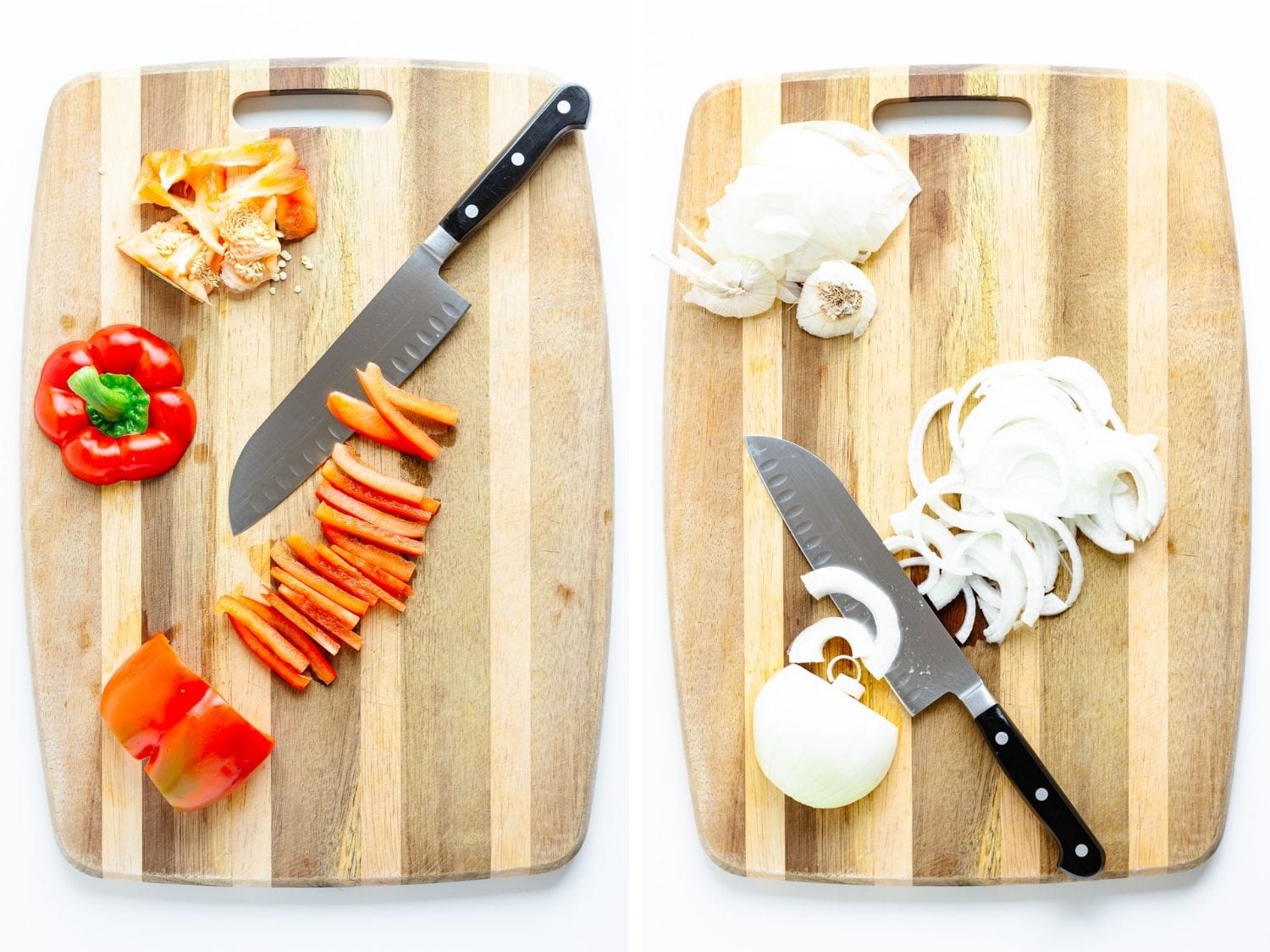
The golden rule for fajita vegetables is to cut them into thin, long strips. This isn't merely for aesthetics; it's a critical technique for achieving optimal flavor and texture. Long strips allow the vegetables to have maximum contact with the hot skillet surface, which is essential for developing that coveted char and caramelization.
* **Bell Peppers:** First, remove the core and seeds. Then, lay the pepper flat and slice it lengthwise into thin strips, aiming for uniform thickness. This ensures they cook evenly and become tender-crisp.
* **Onions:** Halve the onion, then slice it from root to tip into thin, crescent-shaped strips. Cutting with the grain helps the onion maintain some structure during cooking, preventing it from turning mushy and allowing it to caramelize beautifully.
Consistent sizing is paramount here. If some pieces are thick and others thin, you'll end up with a mix of undercooked and overcooked vegetables, ruining the overall texture.
Slicing Portobellos for Substance
Once cleaned, slice your portobello mushrooms into strips that mimic the size and shape of your peppers and onions. This uniformity not only looks appealing but also guarantees that every element of your fajita filling cooks at roughly the same rate and fits neatly into your tortilla. Take your time to ensure clean, even cuts; this attention to detail pays off in the final dish.
Sautéing for Success: Building Layers of Taste
With your vegetables perfectly prepped, the next step is the actual cooking process, which is all about timing and technique to build layers of incredible flavor.
Starting with Peppers & Onions: The Caramelization Phase
The cooking order is crucial for achieving that signature fajita char and tenderness. Begin by sautéing your sliced peppers and onions in a bit of oil over medium-high heat. The goal here is to soften them and allow them to *start* to caramelize. This initial phase needs patience; let them sit undisturbed for a few minutes to get some browning before stirring. The Maillard reaction, responsible for browning and flavor development, needs direct contact with the hot pan. Don't overcrowd the skillet, as this will steam the vegetables instead of charring them. Cook until they are tender-crisp and show visible signs of browning around the edges.
Introducing Mushrooms & Aromatics
Once your peppers and onions are nicely softened and beginning to caramelize, it’s time to introduce the portobello mushrooms. Add them to the skillet along with minced garlic and your dried spices. A robust blend typically includes cumin, smoked paprika, onion powder, salt, and black pepper. Smoked paprika is a game-changer here, offering a depth of smoky flavor that regular paprika simply can't replicate. The garlic should be added at this stage to prevent it from burning, ensuring its fragrant notes infuse the vegetables without becoming bitter. Continue to sauté, stirring occasionally, until the mushrooms are softened and have released their moisture, and the peppers and onions are fully caramelized with a slight char. For more insights into elevating your fajita flavors, including the magic of lime and portobellos, explore our article
Boost Your Veggie Fajitas: Lime, Portobello & Flavor Secrets.
The Zesty Finish: Lime & Seasoning Adjustment
The final touch, and arguably the most impactful, is the addition of fresh lime. Just before serving, stir in the zest and juice of a lime. This isn't just a garnish; it’s a vital flavor enhancer. The bright acidity of the lime cuts through the richness of the caramelized vegetables and spices, bringing all the flavors to life and adding an invigorating zest that truly makes these **vegetarian fajitas** sing. At this point, take a quick taste. Seasoning is subjective, so adjust the salt, pepper, or any other spices to your preference. A final sprinkle of fresh cilantro can also add another layer of freshness.
Assembling Your Perfect Veggie Fajita Experience
With your perfectly cooked veggie mixture ready, all that’s left is to assemble your fajitas. Warm tortillas are a must – whether corn or flour – as they provide a soft, pliable vessel for your flavorful filling.
The beauty of fajitas lies in their customizable nature. Offer a spread of toppings to let everyone build their perfect bite:
- Creamy diced avocado or rich guacamole
- Tangy diced tomatoes or pico de gallo
- Cool shredded cheese or a dairy-free alternative
- Fresh minced cilantro
- A dollop of sour cream or plant-based crème fraîche
- A kick of pickled jalapeños for those who love heat
Pair your fajitas with a side of Instant Pot refried beans for a hearty meal, and perhaps a refreshing pina colada smoothie to complete the experience. If you're looking for a quick and satisfying meal that impresses all palates, discover why these fajitas are a crowd-pleaser in
Minute Veggie Fajitas: A Hit with Vegetarians & Meat Eaters.
Conclusion
Creating perfect **vegetarian fajitas** is a culinary delight that’s both accessible and immensely rewarding. By understanding the nuances of vegetable selection, mastering the art of the uniform cut, and executing a strategic sauté, you can transform simple ingredients into a show-stopping meal. The combination of caramelized onions, subtly charred sweet peppers, earthy portobello mushrooms, and a burst of lime creates a symphony of flavors and textures that satisfies completely. These tips ensure your veggie fajitas are not just a healthy and quick dinner option, but a truly vibrant and unforgettable culinary experience for everyone at your table. So grab your skillet, sharpen your knife, and get ready to create the best vegetarian fajitas you've ever tasted!